
ARA-290 Peptide 10mg | Nerve Repair & Inflammation Support
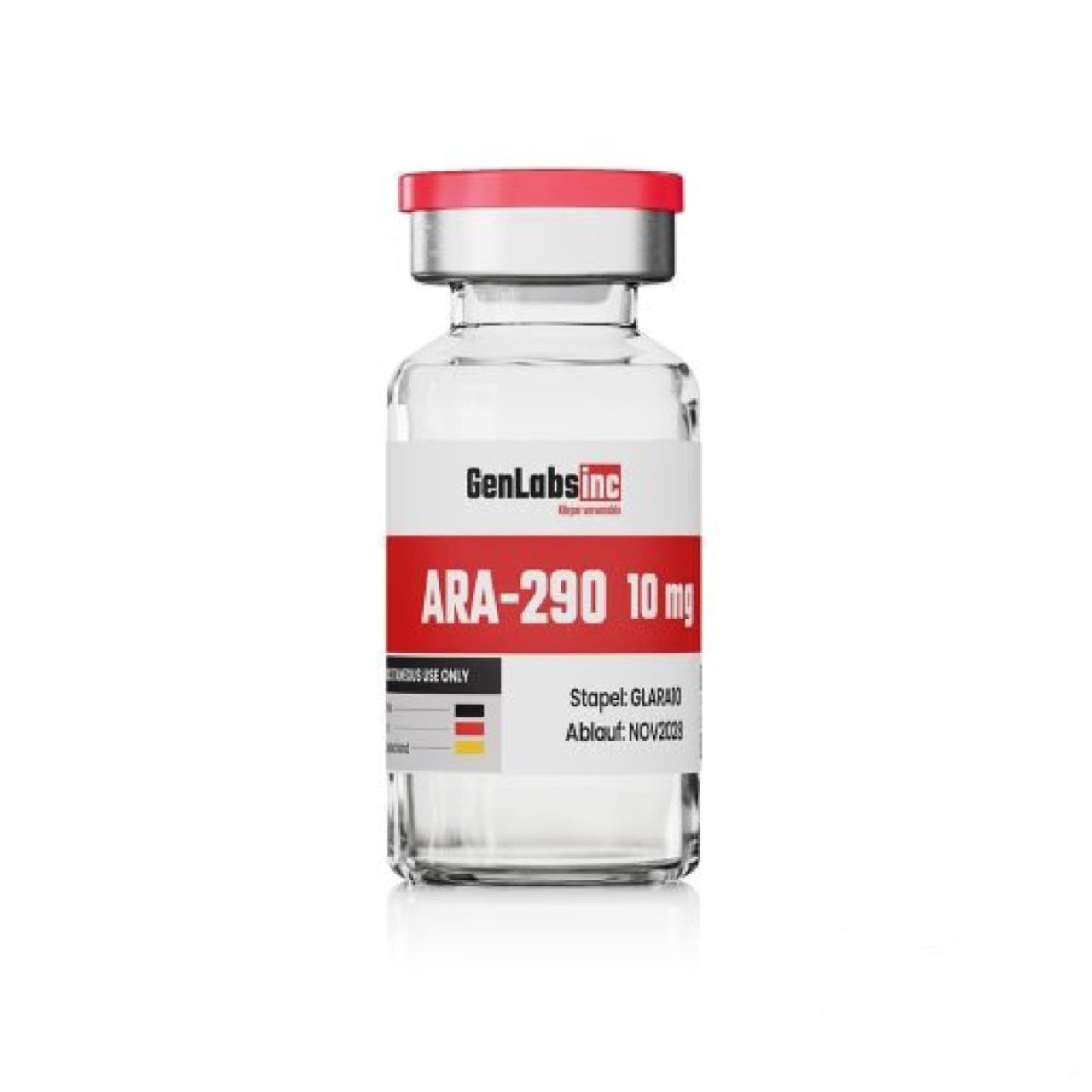
Genlabs ARA-290 is a synthetic peptide derived from a segment of the erythropoietin (EPO) protein. Unlike EPO, it does not increase red blood cell production. Instead, it primarily focuses on protecting and repairing damaged tissues. This unique action makes ARA-290 a promising option for research in nerve protection, inflammation reduction, and tissue healing.
How Does ARA-290 Work?
ARA-290 works by actively binding to the Innate Repair Receptor (IRR), which triggers the body’s natural healing response. Consequently, it reduces inflammation and protects nerve cells from damage. Importantly, ARA-290 achieves these effects without stimulating red blood cell production, thereby minimizing the risk of blood thickening. By promoting tissue repair and calming inflammatory processes, ARA-290 supports faster recovery in injured tissues and enhances nerve function, as shown in various research studies.
Recommended Dosage for Research
For research purposes, Genlabs ARA-290 typically comes as a 10mg powder vial. Researchers usually reconstitute it with 1 to 2 mL of sterile or bacteriostatic water. Then, the peptide is administered via subcutaneous injection at doses ranging from 1 to 2 mg per day. Treatment usually lasts between 2 and 4 weeks, depending on the specific study protocol.
Key Benefits of Genlabs ARA-290
-
Effectively reduces inflammation and oxidative stress
-
Protects and repairs nerve cells, supporting nerve health
-
Supports the healing and regeneration of damaged tissues
-
May relieve nerve pain and improve overall nerve function
-
Does not increase red blood cell count, reducing cardiovascular risk
Possible Side Effects
While generally well tolerated, some users may experience mild irritation at the injection site. Rare side effects include mild headaches or fatigue. Unlike erythropoietin, ARA-290 does not increase red blood cell levels, which prevents the risk of thickened blood or related complications.
Learn More
For more information on peptides and their therapeutic potential, check trusted resources such as PubMed for scientific studies on ARA-290. Additionally, you can explore related peptides like BPC-157 and TB-500 to understand their complementary effects on tissue repair.

Reviews
There are no reviews yet.